Journal
Ergothioneine: the remarkable amino acid hidden in mushrooms
Ergothioneine is a rare amino acid your body cannot make on its own. Where it comes from, what OCTN1 is, and which mushrooms hold the most of it.
TCM therapist · Doctor of Acupuncture (WFAS) · author of a book on functional mushrooms
2 min read
Contents
Mushrooms carry plenty of nutritional value: amino acids, minerals, vitamins. Among them is one particular compound rarely talked about: ergothioneine (ET for short). It is an amino acid the human body cannot produce on its own.
What is ergothioneine?
Ergothioneine is a naturally occurring sulfur-containing amino acid found mainly in mushrooms. It is a strong antioxidant that acts inside cells, including inside mitochondria, the cell's "power plants". The human body cannot synthesize it, so diet is the only source.
A scientific curiosity: not every antioxidant can cross the mitochondrial membrane and act there. Ergothioneine can, which makes it a rather unusual compound compared with other natural substances found in food.
Why doesn't the body make it on its own?
The answer lies in a specific transport protein called OCTN1 (organic cation transporter novel 1). Its job is to pull ergothioneine out of food and carry it into the body's cells, including tissues particularly exposed to oxidative stress, such as the liver or bone marrow.
A dedicated transporter for a single dietary compound is unusual in biology. Scientists see this as a sign that ergothioneine plays a role worth further study, even though its exact mechanism is still being researched.
Which mushrooms contain the most of it?
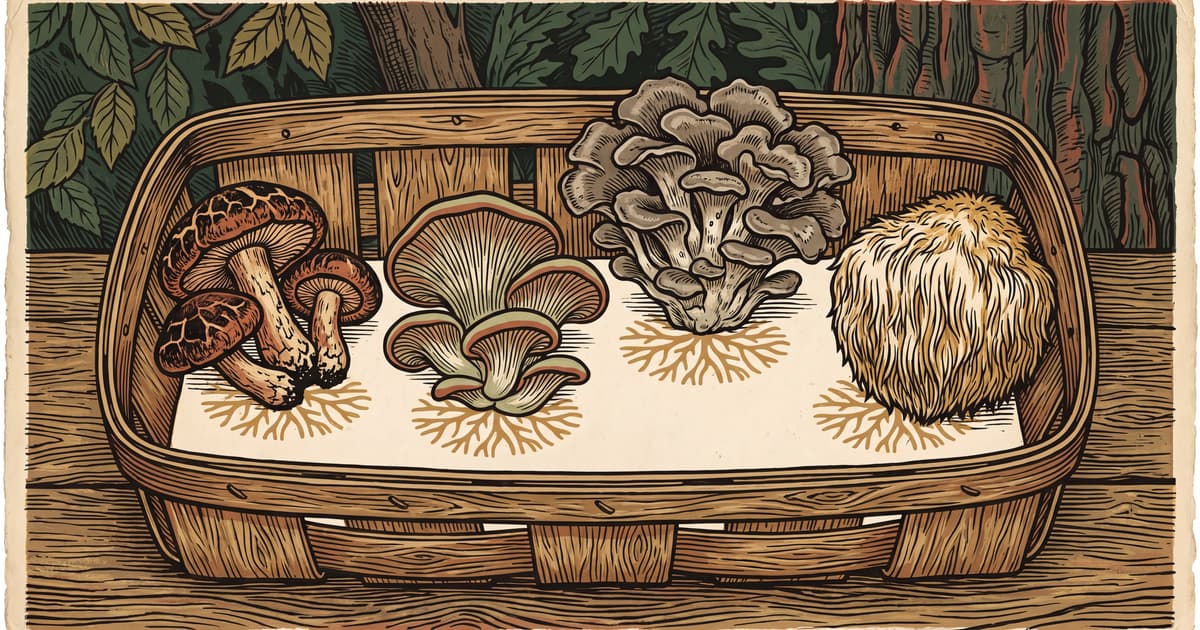
Ergothioneine content varies by species. Mushrooms often cited for a high content of this amino acid include:
- Oyster mushrooms, one of the species with the highest ET content.
- Shiitake, a traditionally prized species in Asian cuisine.
- Maitake, also known as the "dancing mushroom".
Common white button mushrooms, popular across Europe and the US, contain noticeably less than these Asian species.
How does ergothioneine reach your diet?
Since the body cannot produce it, food is the only source: fresh or dried mushrooms, and extracts made from the fruiting body. At Aloha Fungi we work with the fruiting body of mushrooms, the very part traditionally eaten across Asian cuisine for centuries.
Including mushrooms in your diet regularly is simply one way to diversify your meals, not a recipe for a specific health outcome.
See also: oxidative stress and mushrooms · research on functional mushrooms.
This content is for educational purposes only and does not constitute medical advice. A food supplement does not replace a varied diet or a healthy lifestyle. If in doubt, consult your doctor or pharmacist.